For carnival games Singapore families can enjoy together, plan the prize rules as carefully as the game selection. If children need to win every round before receiving a reward, the afternoon can become frustrating. If every booth gives out its own prizes, organisers may find it difficult to track stock. A simple stamp card offers a practical middle ground: guests try different activities, collect participation stamps and redeem one clearly defined reward.
This guide explains how to plan that system for a family event, from choosing the booths to briefing the redemption team. It is a suggested event format, so adapt the numbers and rules to your guest list, equipment and operating time.
Start with participation rather than a high-score contest
Decide what the card is meant to encourage. For a mixed-age family day, a useful aim is to help guests explore several activities together. Awarding a stamp for completing a turn makes the rule easy to explain and keeps the experience welcoming for beginners. A successful shot can still earn applause without becoming a condition for the main reward.
If you also want a competitive element, give it a separate score sheet and explain who can take part. Avoid making younger players compete against adults for the same completion reward. Tell families at registration whether the card belongs to an individual participant or a whole family; that choice affects both your printing quantity and prize budget.
Carnival Games Singapore: Build a varied stamp card
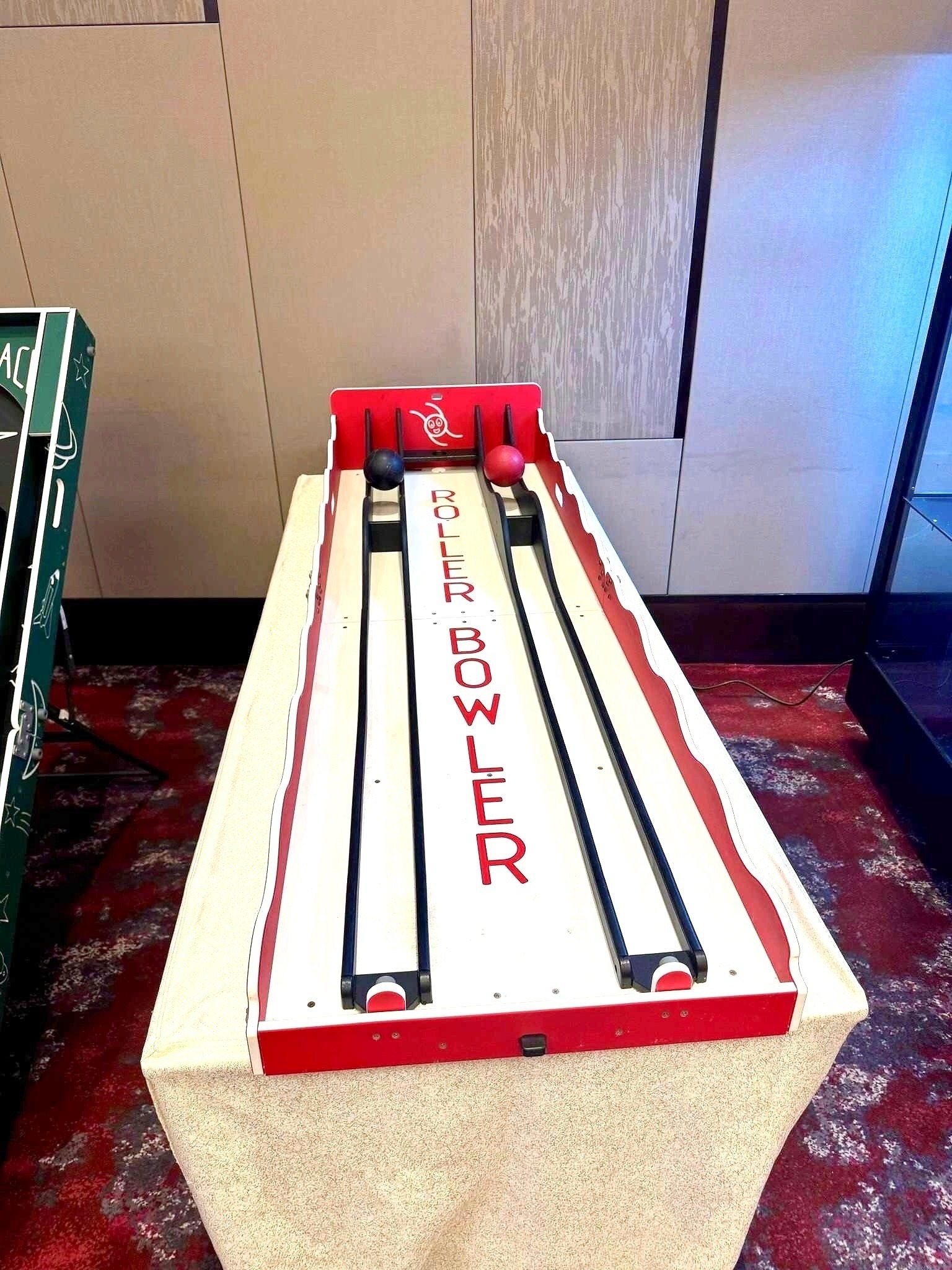
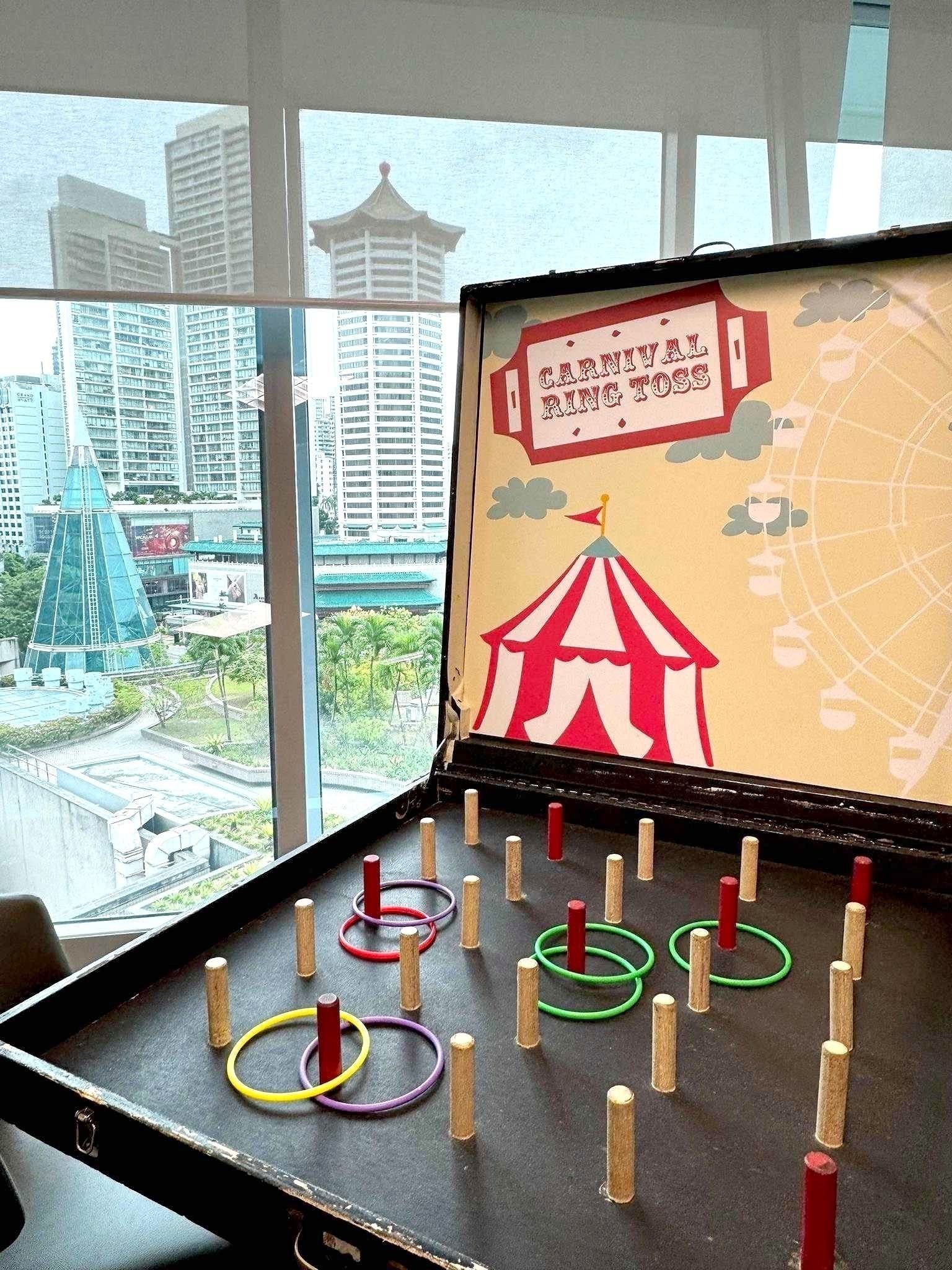
Choose activities with different actions, rather than several booths that all feel identical. For example, a rolling game, ring toss and mini bowling can give participants different challenges while keeping the overall concept easy to follow. Browse Big Top’s carnival games rental in Singapore to shortlist suitable options, then confirm the exact equipment, recommended participants and operating arrangements with the team.
Match the card to the final confirmed games, not the first proposal. Put each booth’s name beside its stamp box so guests do not need to remember a numbering system. A short instruction such as “Complete any three different activities, then visit the reward desk” is easier to follow than a long list of exceptions.
Allow an alternative activity when a participant cannot comfortably use a particular game. Discuss suitable options with your supplier before printing the cards. An alternative should count equally towards completion, rather than being presented as a lesser challenge.
Set a realistic completion target before printing
A card does not need a stamp from every booth. Requiring all activities can make one popular station a compulsory stop for everyone. Giving guests a choice helps families work around busy periods, snack breaks and the interests of different children.
As an illustrative plan, an event with five available activities could require stamps from any three different booths. Each booth stamps its own box once. Participants can replay when the operating rules allow, but repeat turns do not replace visits to the other activities. This is a planning example, not a promise of how many guests any particular setup can serve.
Before committing to the format, walk through a complete turn with the supplier: explanation, play, reset and stamping. Check whether one attendant can handle those steps comfortably or whether another person is needed. Build the card around the event’s actual staffing and duration.
Make the reward desk easy to understand
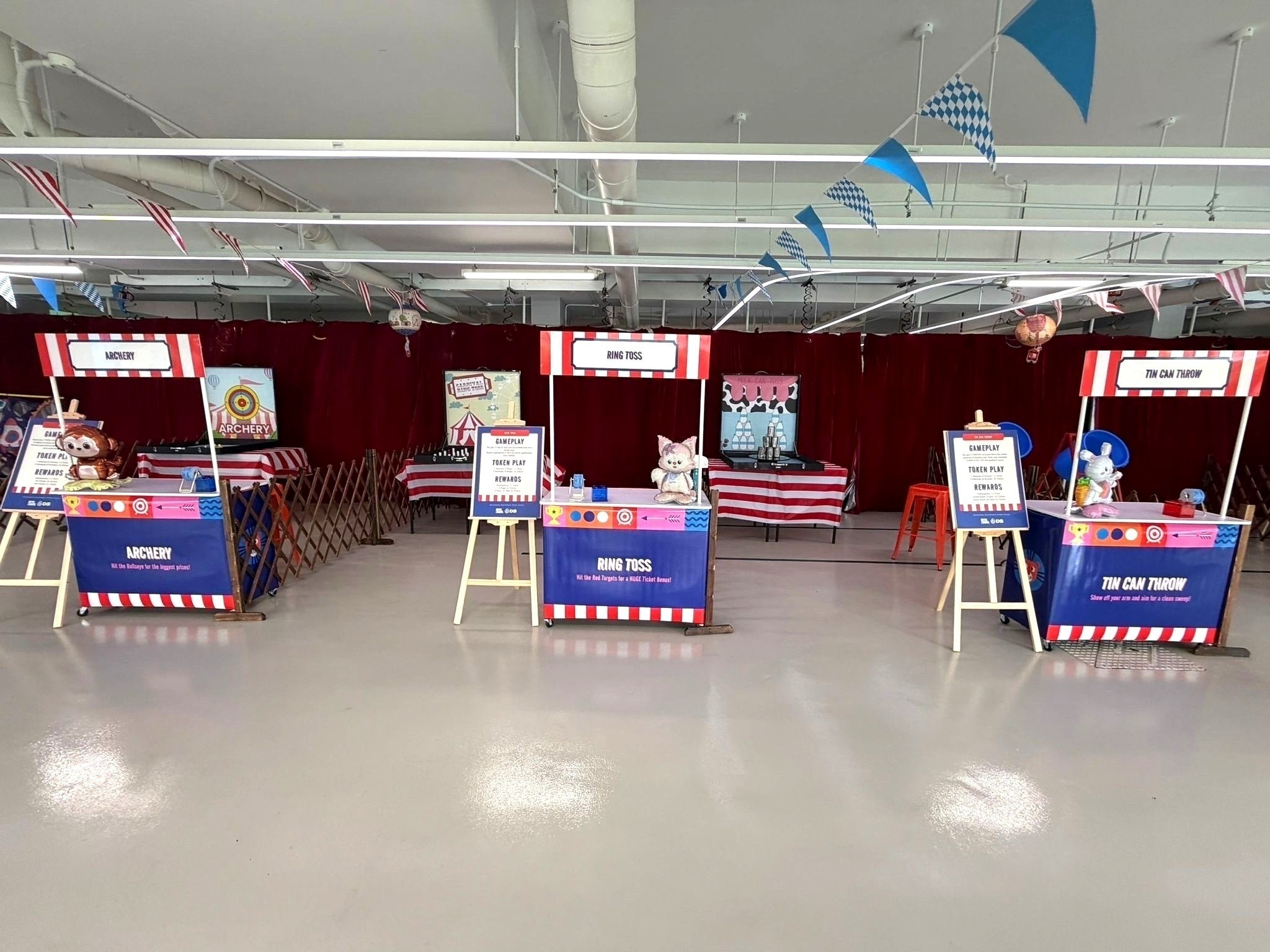
Use one clearly marked redemption point so that game attendants can concentrate on running their booths. Display the completion rule, the redemption closing time and what the card entitles the holder to. Place the desk where its queue can form without crossing the playing areas or venue circulation routes.
Prepare enough rewards for the number of cards you intend to issue, with an agreed reserve for replacements or registration changes. For example, 150 participant cards with one reward per completed card require a plan for up to 150 redemptions. Do not rely on an assumption that some guests will leave without claiming.
Mark or retain a redeemed card so the same card is not accidentally used twice. Keep a simple running tally of rewards issued and stock remaining. If several people share the desk, give them the same instructions for lost cards, damaged cards and requests for extra rewards. Agree those exceptions before guests arrive.
Brief every attendant with the same short script
A clear briefing prevents guests receiving different answers at different booths. Give attendants a sample completed card and show exactly where they should stamp it. Explain whether they stamp after participation, after a set number of attempts or after another clearly stated action.
- Welcome the participant and explain the game before the turn starts.
- Apply the agreed participation rule consistently and offer the planned alternative where needed.
- Stamp only the box for that booth, then return the card to its holder.
- Direct completed cards to the reward desk and questions about exceptions to the event lead.
Keep spare stamp pads, pens and replacement cards at an agreed location. A quick practice with the registration, booth and redemption teams can reveal confusing wording before it reaches a printed sign.
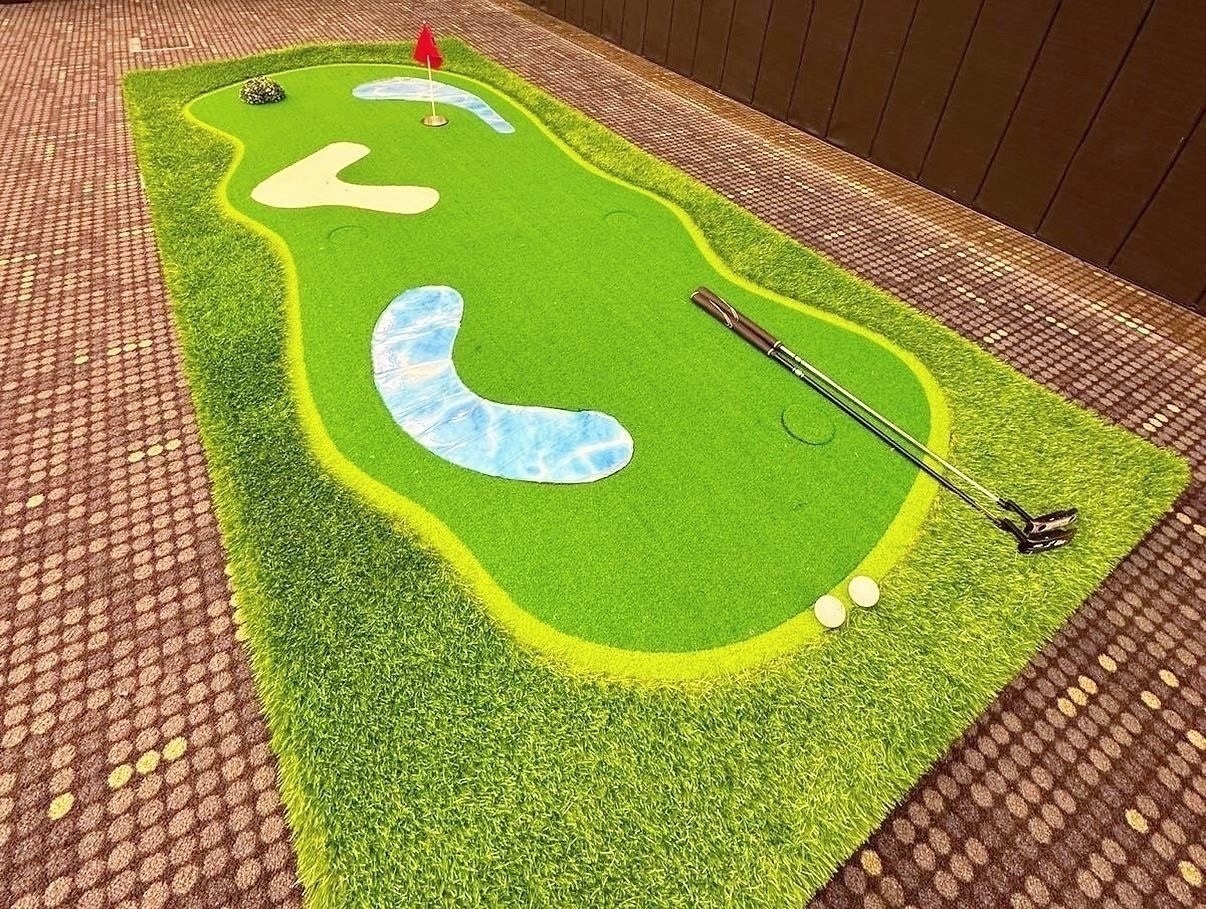
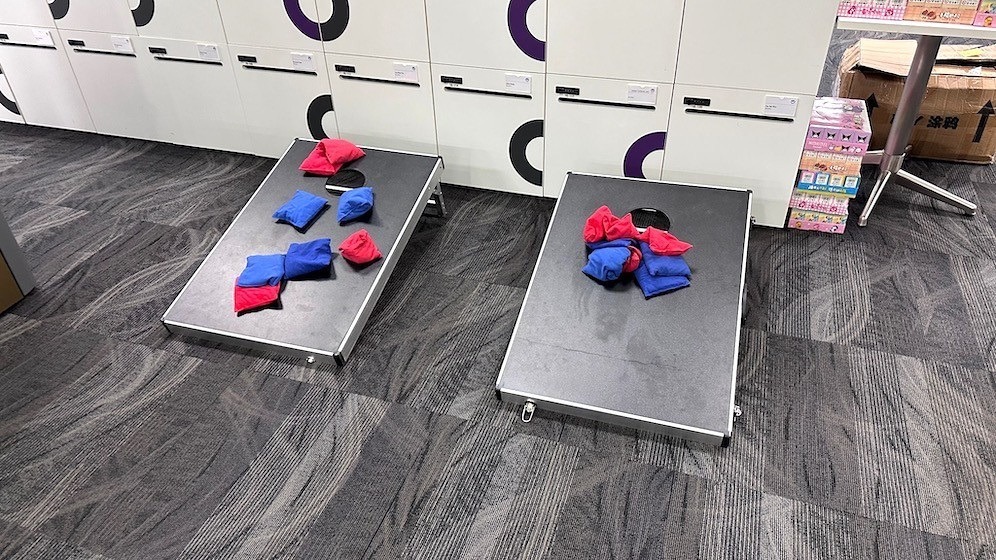
Include arcade games with a clear participation rule
Arcade games can add another type of challenge alongside traditional carnival booths. If you are considering basketball machines, air hockey or racing games, browse Carnival People’s arcade game machine rentals in Singapore to compare the options, then confirm the selected machines and venue requirements with the supplier.
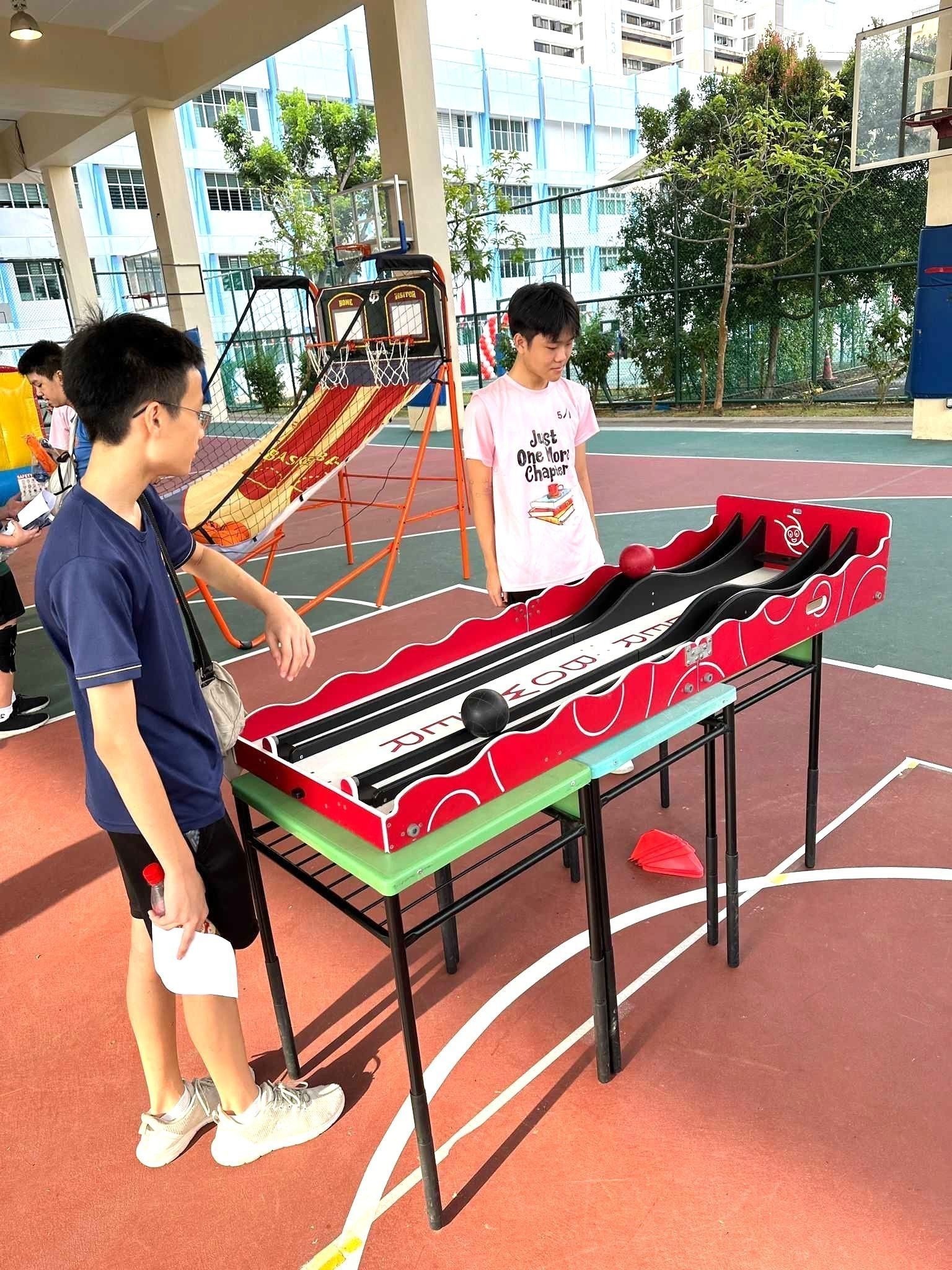
Decide whether these stations count towards the same stamp card or operate as optional activities. For a participation-based card, an attendant could award a stamp after one agreed round rather than require a high score. Explain the round length and replay rule before guests join the queue. Check power access, equipment space and attendant responsibilities before including a machine on the printed card. Keep any separate machine prizes distinct from the card’s completion reward so families understand what each activity offers.
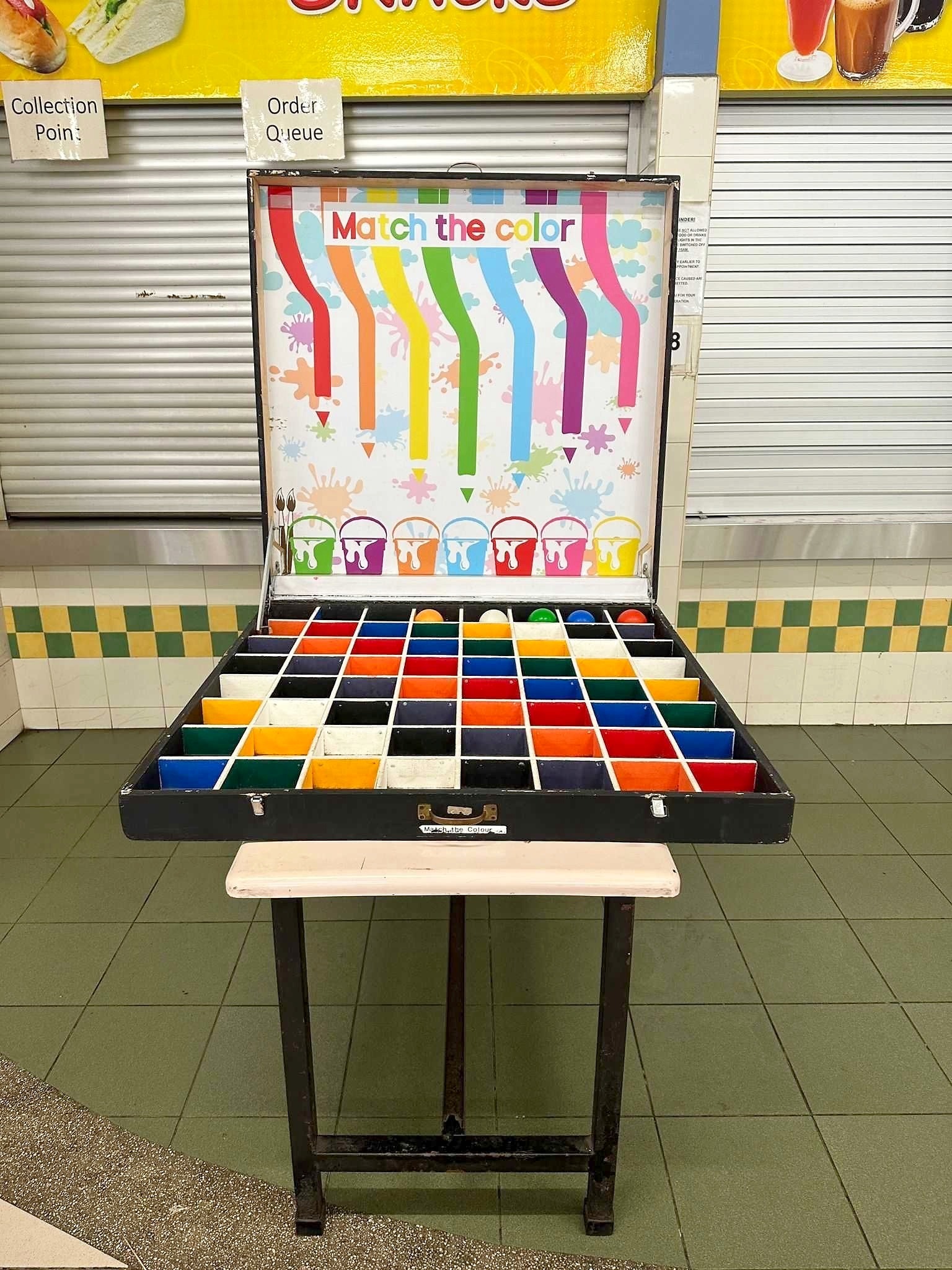
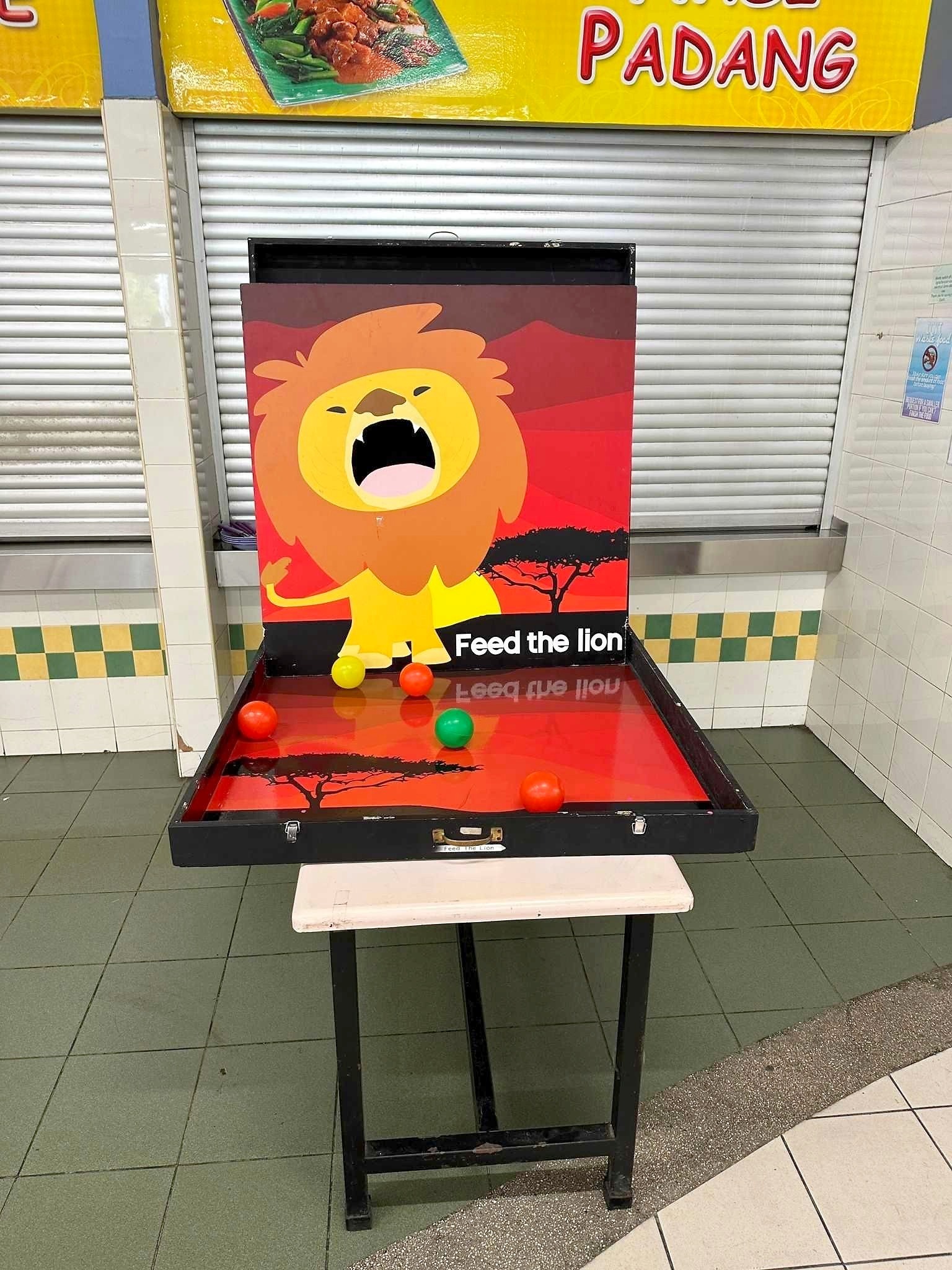
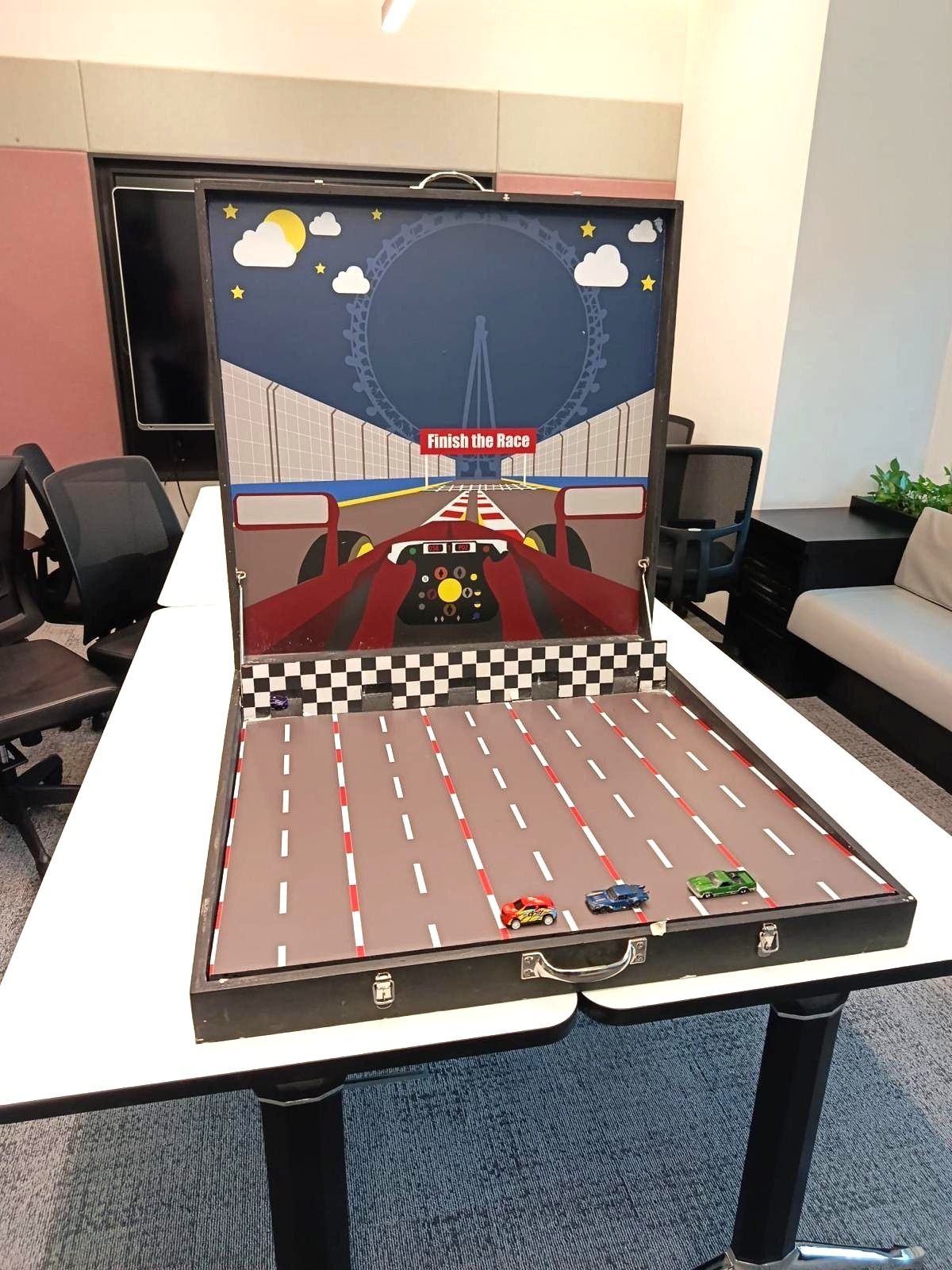
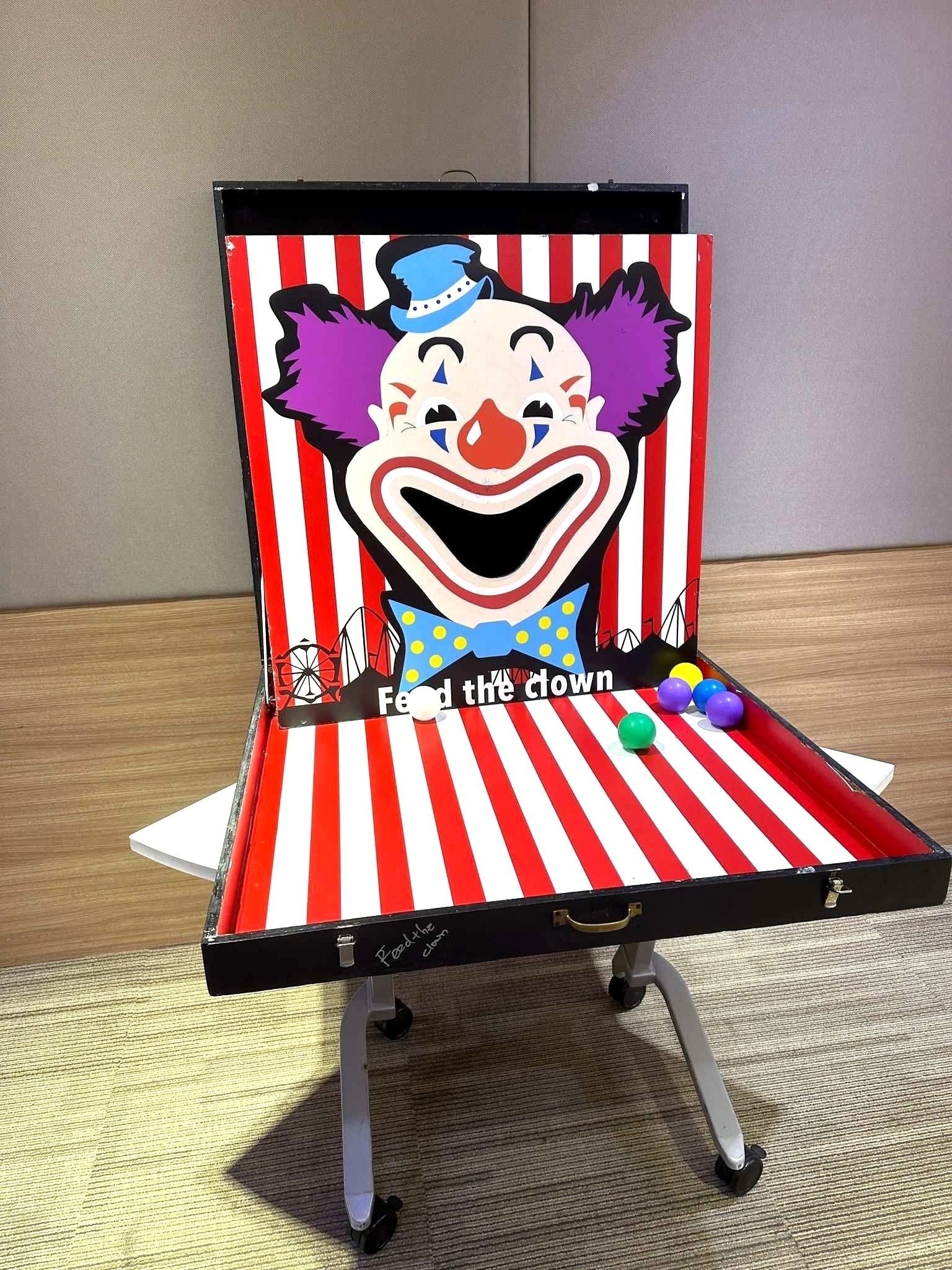
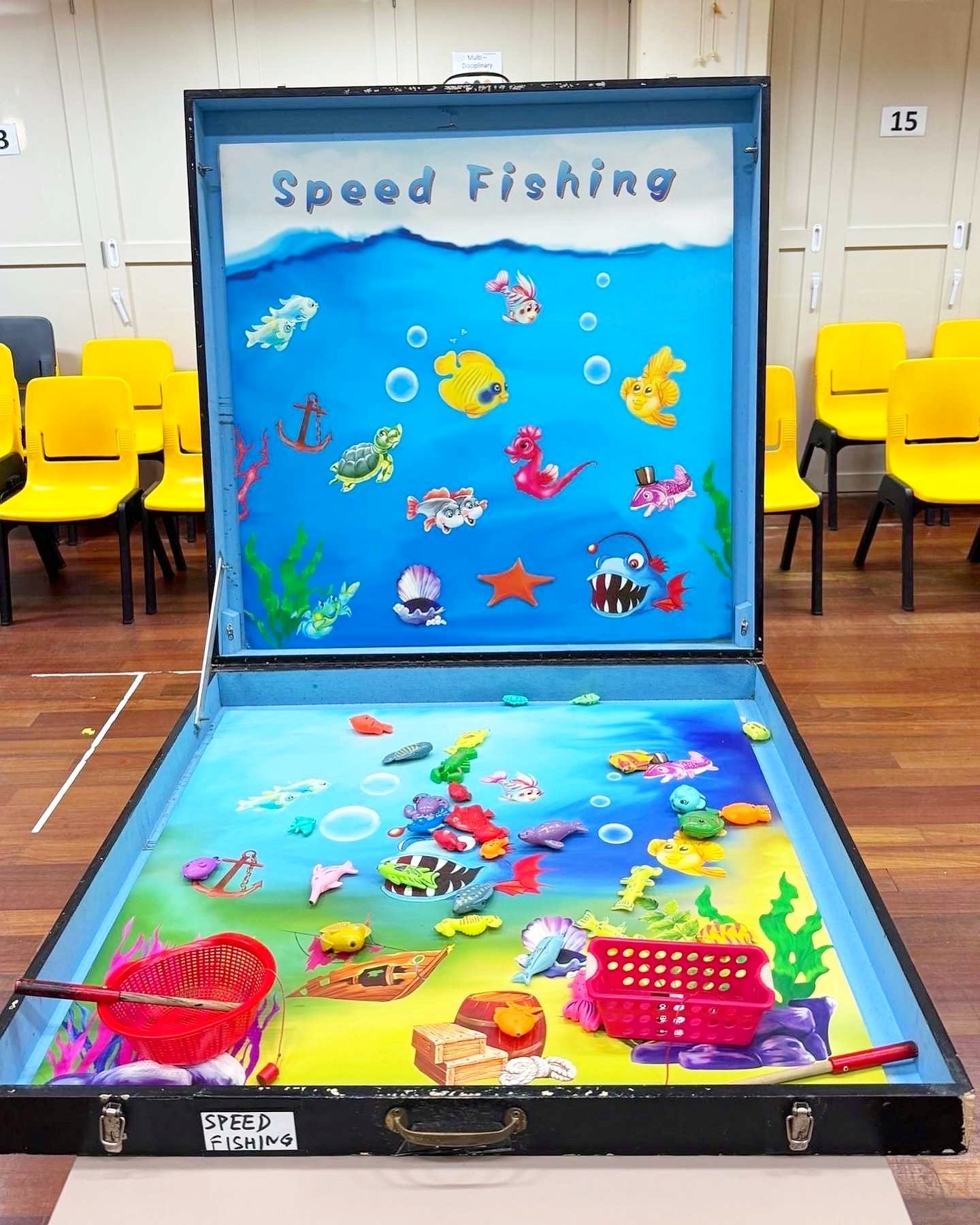
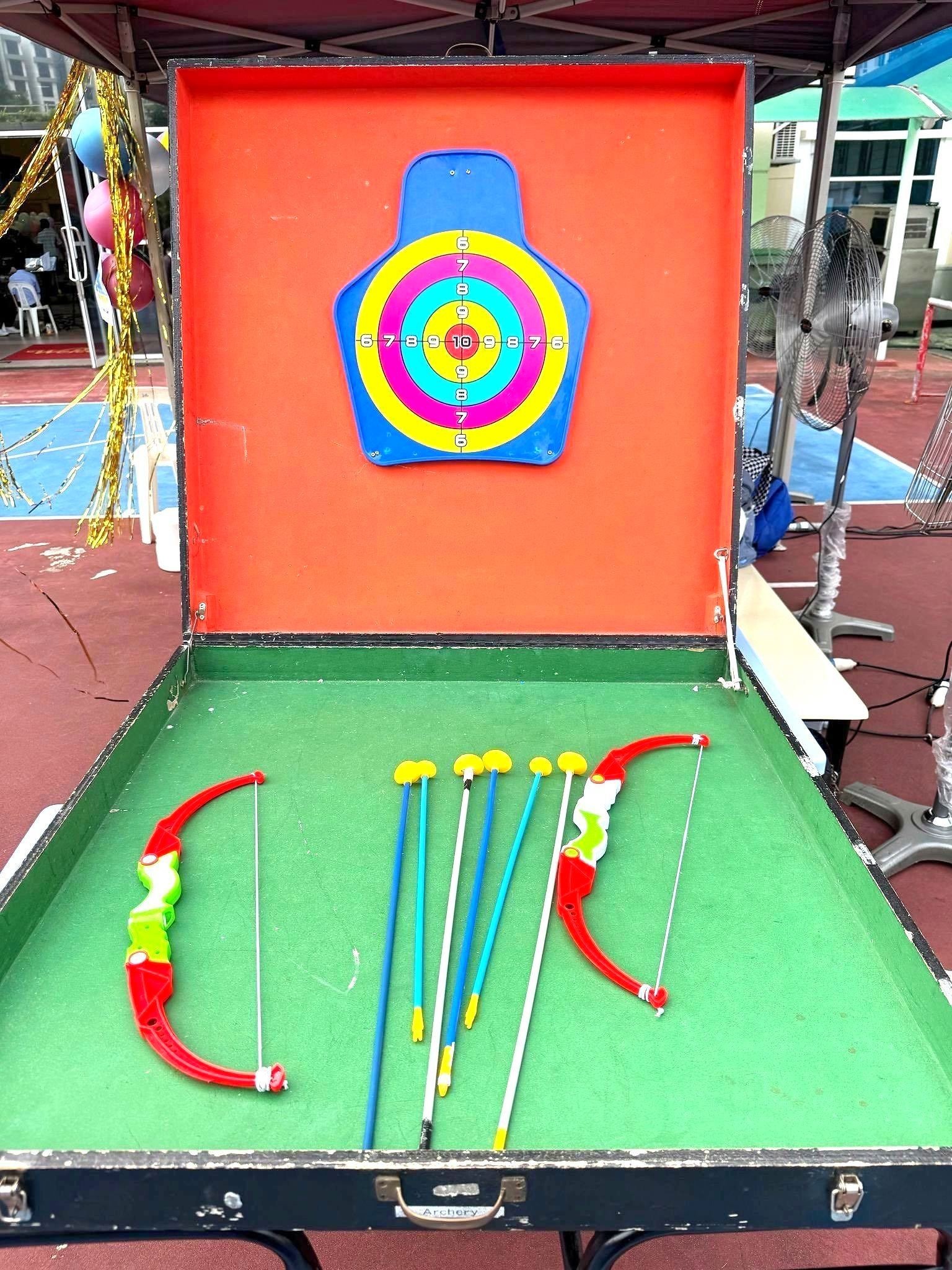
Carnival game ideas for a participation card
These table-box game photos show different activities to discuss when planning your event. Confirm the final selection, participant suitability and availability with Big Top; the gallery is not a fixed package.
Frequently asked questions
Should every child have a separate stamp card?
Use individual cards if the reward is intended for each participating child. Use a family card only when the activity and reward are explicitly shared. State the arrangement when guests register so families know what to expect.
How many stamps should guests collect?
Choose a target that fits the number of booths and the available play time. Requiring a selection of activities rather than every booth gives families more flexibility. Test the proposed format with your event team before printing.
Can guests play again after redeeming their card?
They can if your event rules and equipment arrangements permit it. Make clear that additional play does not automatically mean an additional reward, and manage repeat turns fairly when others are waiting.
What should we send Big Top when requesting a proposal?
Share the event date, venue, operating hours, expected participant numbers, age mix and proposed card rules. Include your available space and whether you need attendants, signage or a separate redemption desk. Ask Big Top to recommend a suitable carnival game selection for your family day and confirm which elements are included in the quotation.


