Creative fringe activities give guests a reason to pause, make a choice and leave with something personal. A balloon animal, a playful portrait or a painted design can turn a short interaction into a memorable part of a Singapore event. The planning challenge is choosing a mix that suits your audience without making every activity compete for the same space or time.
Instead of starting with a long list of entertainers, decide how you want people to participate. Some guests enjoy watching an artist at work. Others want to choose a design, take a photograph or bring home a keepsake. These six planning ideas help you build an activity area with enough variety while keeping the experience easy to understand.
1. Give creative fringe activities different roles
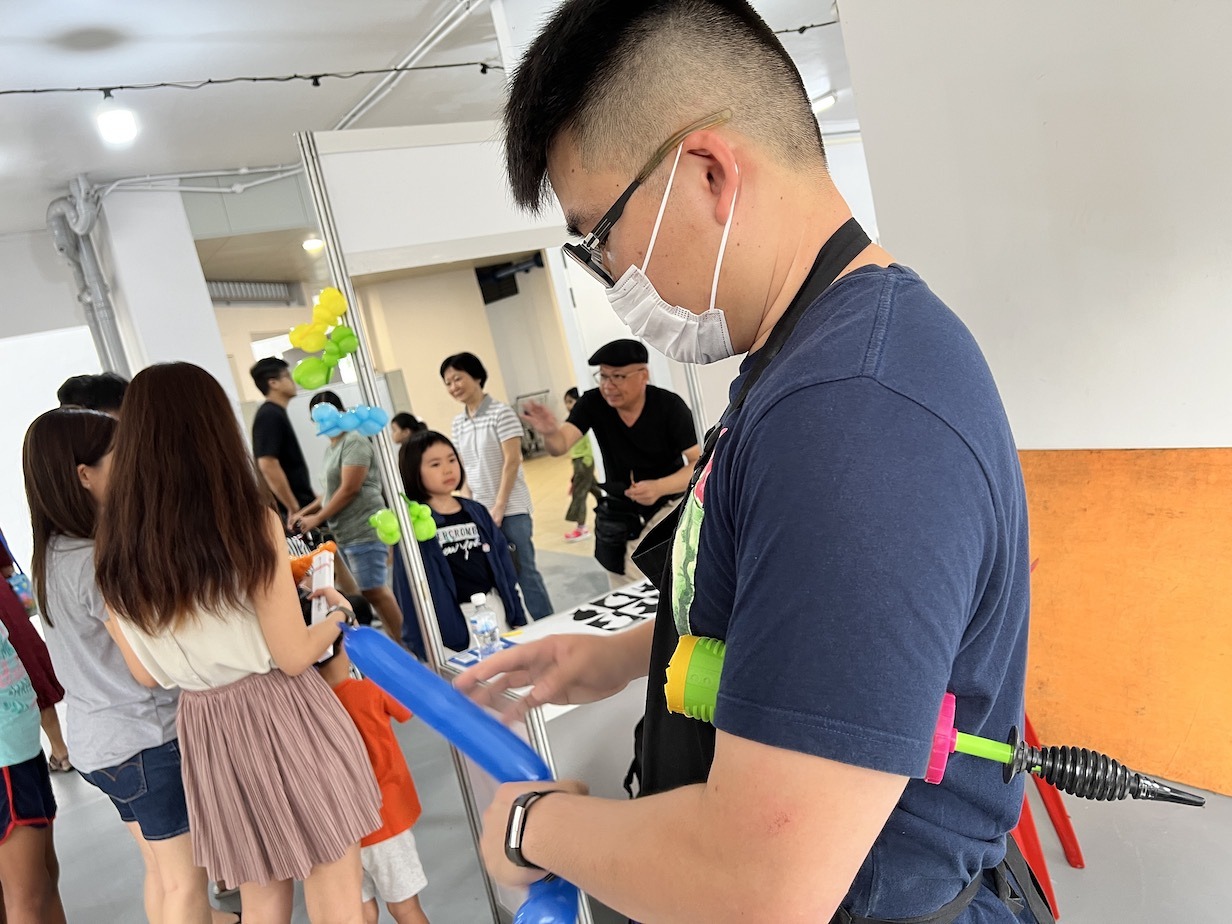
A good mix offers different kinds of participation. Balloon twisting gives guests a three-dimensional creation to carry away. Caricature drawing produces a personal portrait, while face painting changes how someone looks for the rest of the celebration. Each can be enjoyable on its own, but combining them works best when you know what each station contributes.
For example, a family event could place a take-home art activity beside a more expressive painting station. Guests can choose according to their interests instead of feeling obliged to complete everything. Browse Big Top’s main fringe activities selection to shortlist suitable services, then discuss the audience and programme with the team. A smaller, clearly explained selection is easier to navigate than a crowded area of unrelated options.
2. Make keepsake activities comfortable to enjoy
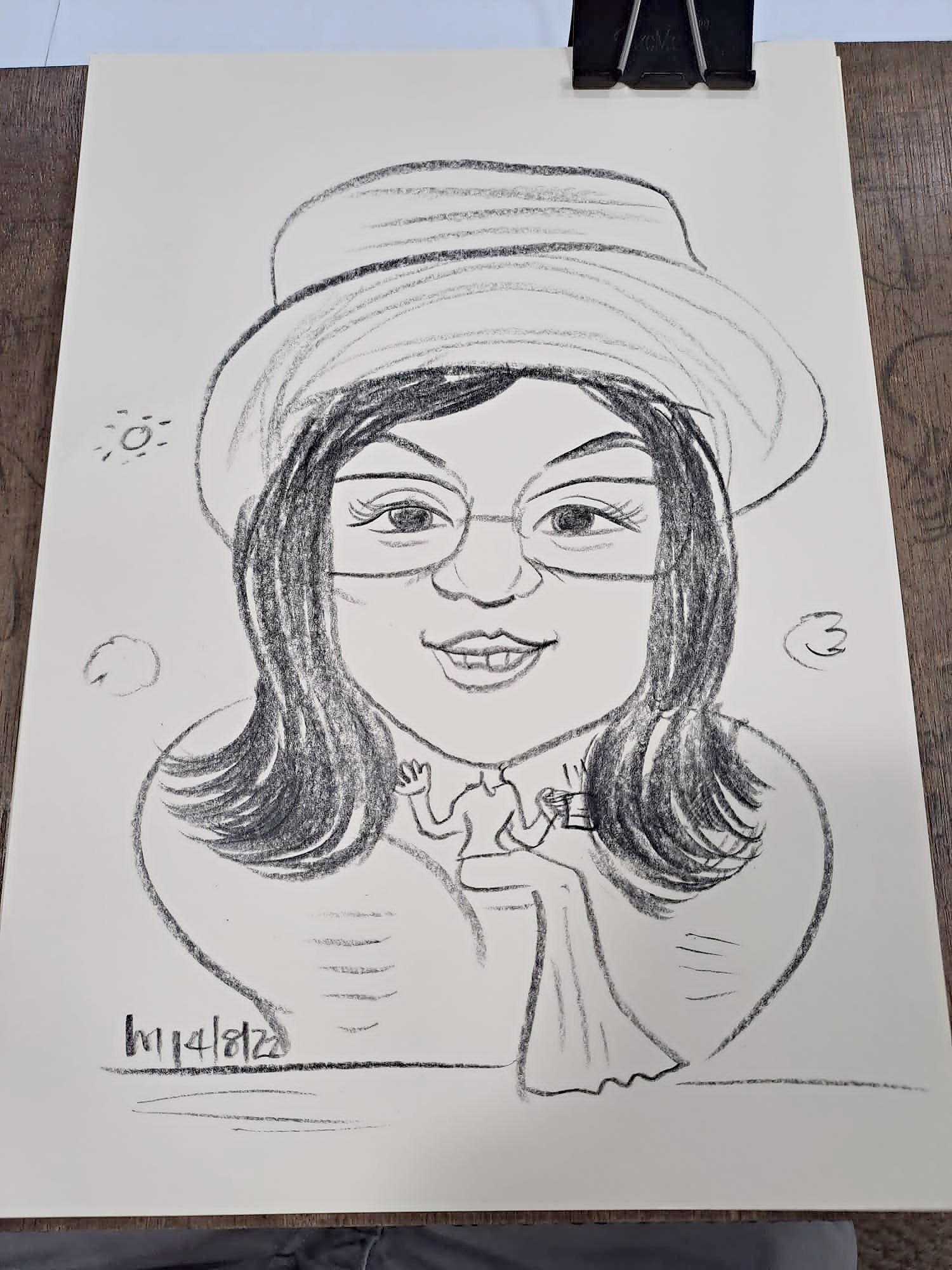
A live portrait becomes part of the entertainment because guests can see the drawing develop. Caricature also gives the participant something personal to take home. Before booking, decide whether you want a fixed drawing station or a format that moves around the event. That choice affects seating, visibility and how people know whose turn comes next.
Big Top’s caricature artist service includes several formats, so agree the artwork type and presentation in advance. Ask how completed pieces will be handed over and where guests can keep them while they continue enjoying the event. A portrait is much easier to appreciate when it does not have to share a table with drinks, bags and the artist’s working materials.
3. Offer a quieter form of personalisation
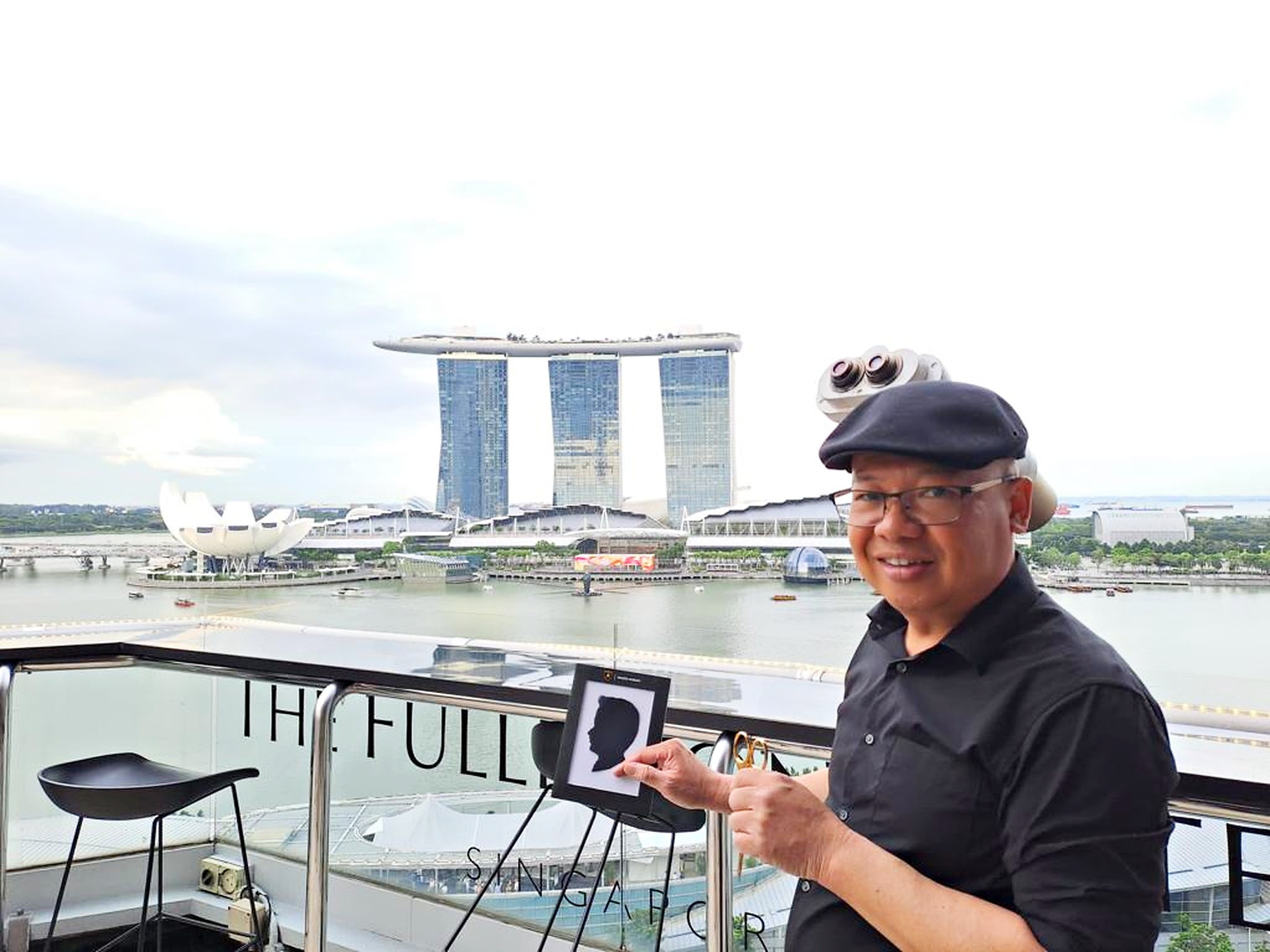
Not every guest wants a colourful transformation or an energetic interaction. Silhouette cutting offers another kind of creative experience: the artist builds a recognisable profile through the outline of a paper portrait. It can suit an event where a more understated keepsake fits the tone, or provide a different choice beside brighter activities.
The silhouette cutting service page explains this live art format. When considering it, discuss whether guests will participate individually or as pairs and how the finished work will be presented. Keep a sample visible so people understand the result before joining the queue. Creative fringe activities are easier to choose when the final keepsake can be seen as well as described.
4. Help guests choose before their turn
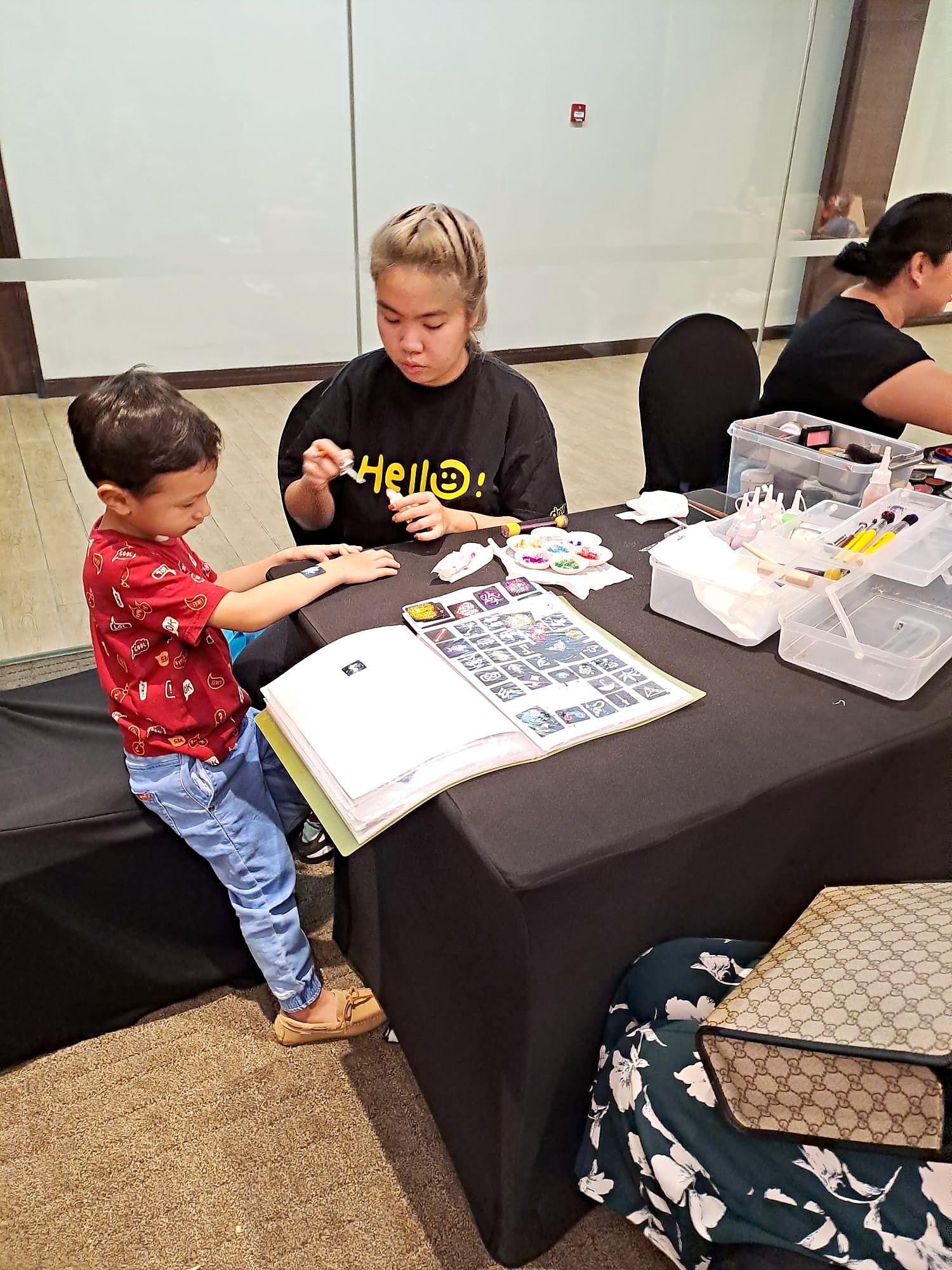
Design selection is part of the fun, but it should not become confusing. Place an easy-to-read selection of examples where waiting guests can see it. This gives them time to decide and lets the artist focus on the person currently taking part. A host or event assistant can explain the choices without interrupting the creative work.
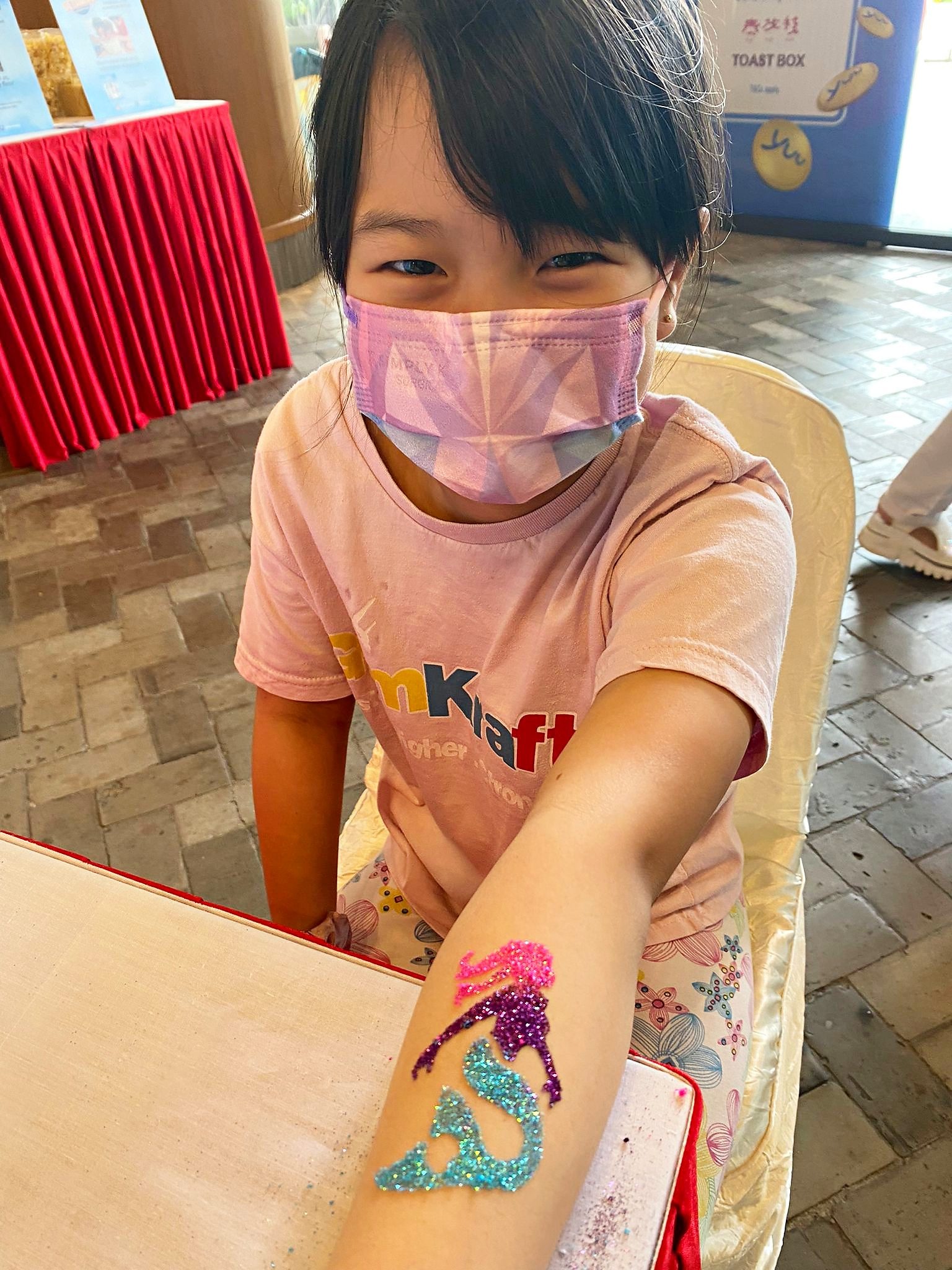
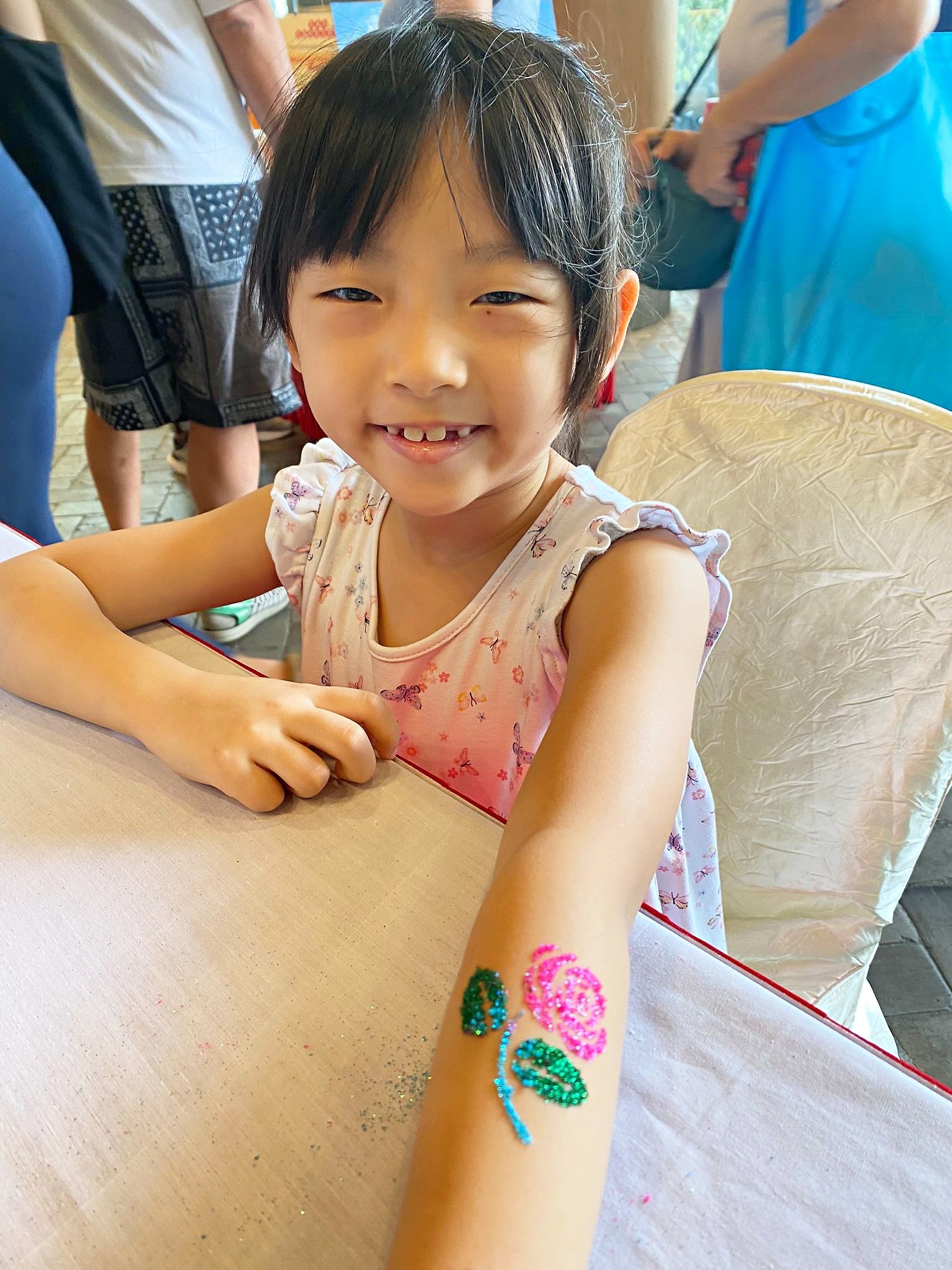
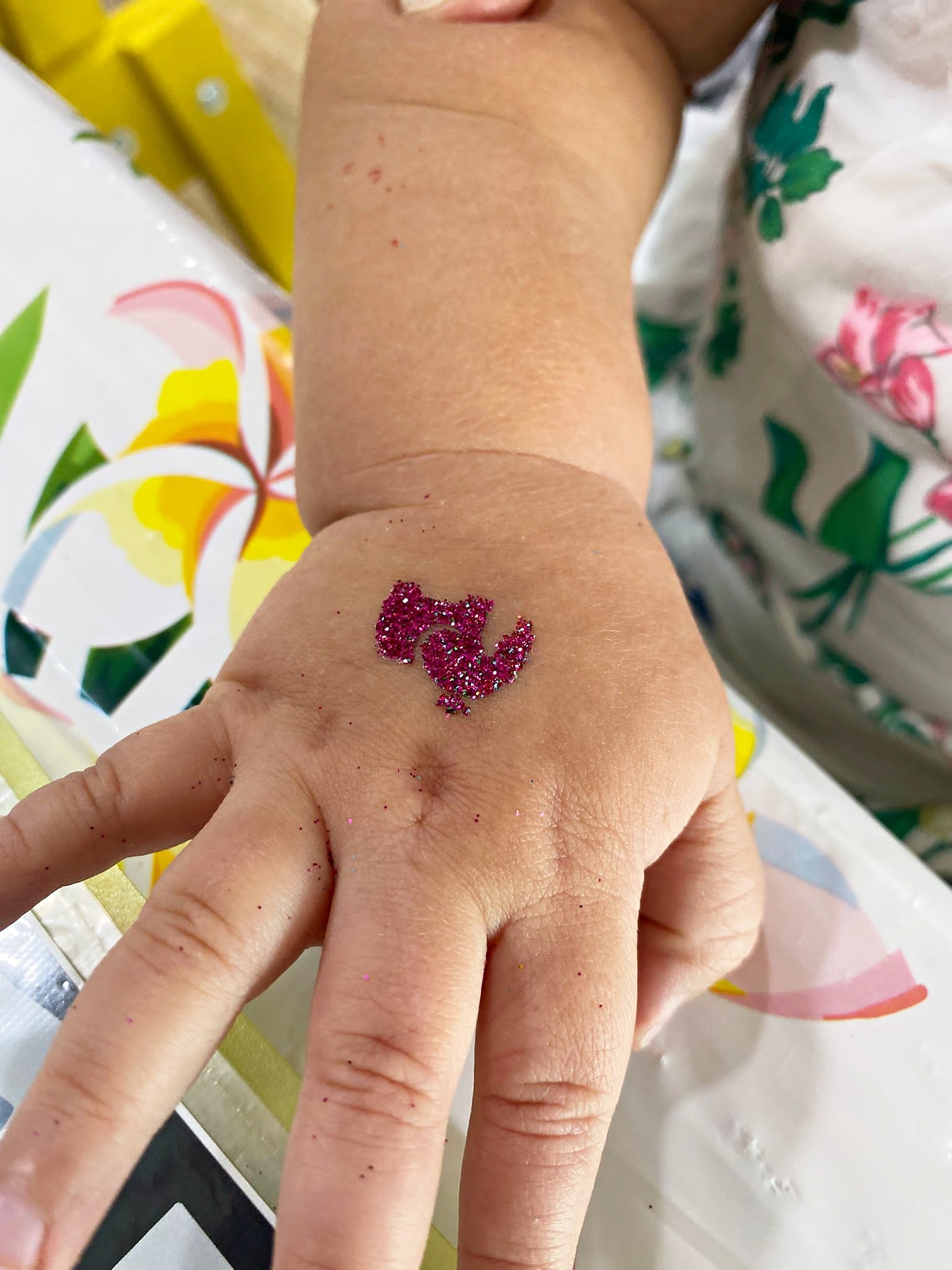
For temporary designs, clarify the specific service you are booking. Glitter tattoos, airbrush designs and painted artwork use different approaches and produce different results. Big Top’s glitter tattoo service is one option for guests who prefer a smaller decorative design. Ask the provider about application suitability and removal instructions, and give participants a genuine choice about whether they want to take part.
5. Connect face painting to the event theme
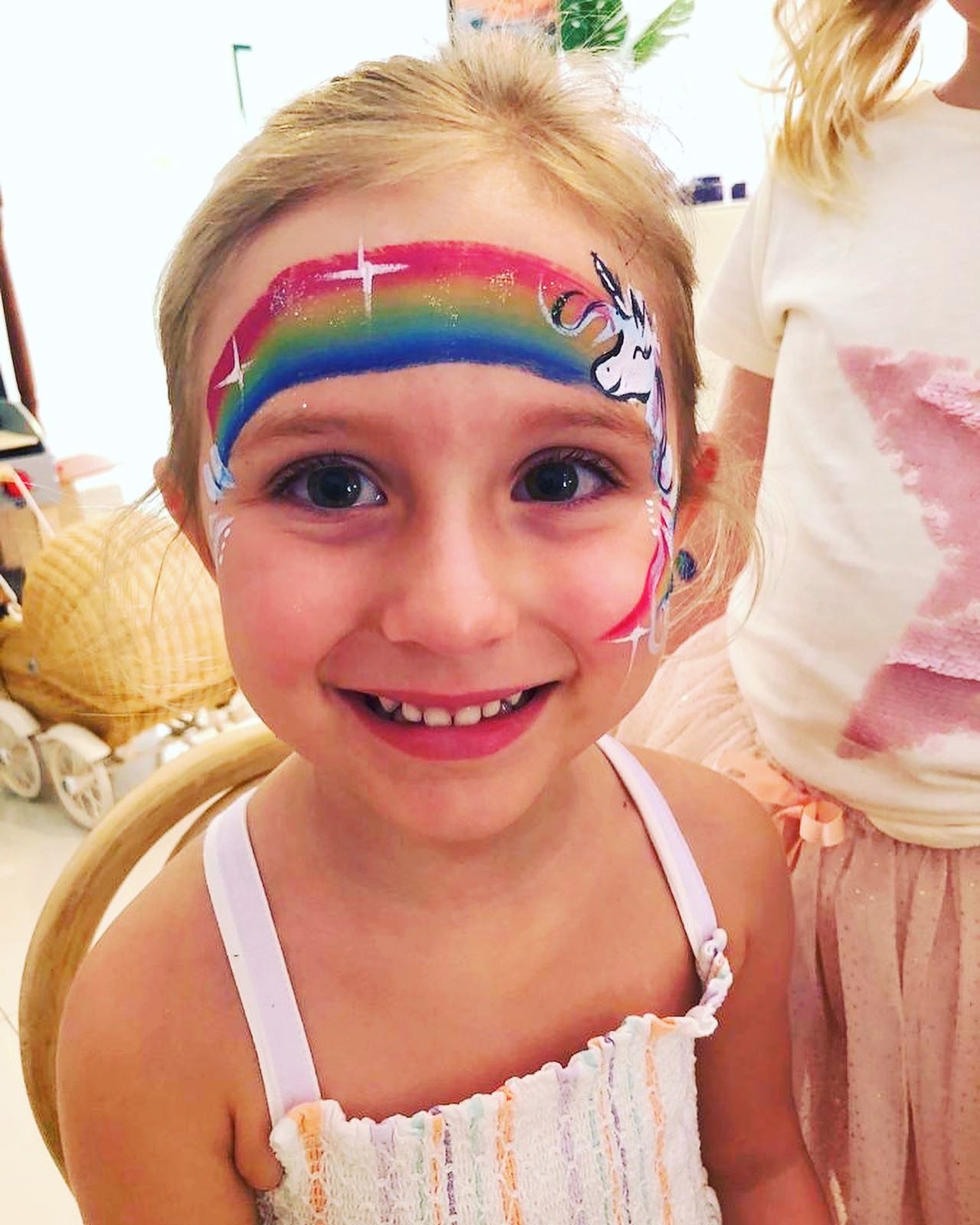
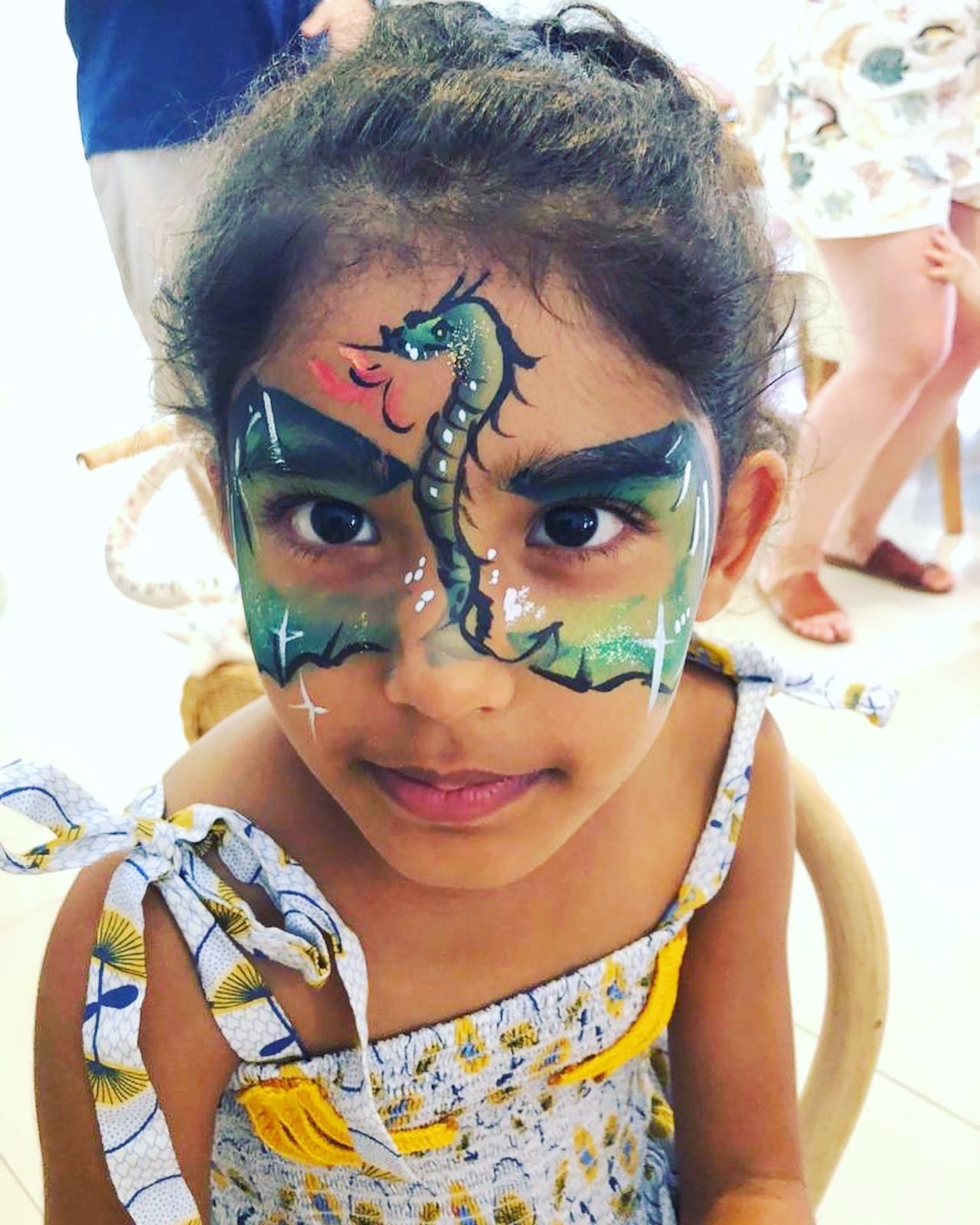
A theme can guide the design menu without making every guest look the same. A fantasy celebration might offer a rainbow-inspired design alongside a dragon. These examples share a playful mood while appealing to different preferences. Let guests choose from the agreed range, and explain which designs are available during the event rather than promising any image they can find on a phone.
For face painting services, discuss the intended age group, design range and booking duration with the team. Avoid calculating artist numbers from headcount alone: participation levels and the complexity of the chosen artwork also matter. Share the likely peak periods, especially if everyone will finish a stage segment or meal at the same time.
The dragon example shows how a strong central motif can make a painted design easy to recognise. Give completed participants somewhere nearby to take a photograph without standing directly in the next guest’s place. A clear exit from the activity area helps the artist continue while families enjoy the result. Creative fringe activities should feel relaxed even when several stations are operating together.
6. Plan the handover and the rest of the visit
The activity does not end when the artist finishes. Guests may want to show a friend, take a photograph or work out where to keep their new creation. Balloon sculptures need a different handover from flat paper artwork. Leave enough room beside the station for that moment so finished participants do not have to move back through the waiting line.
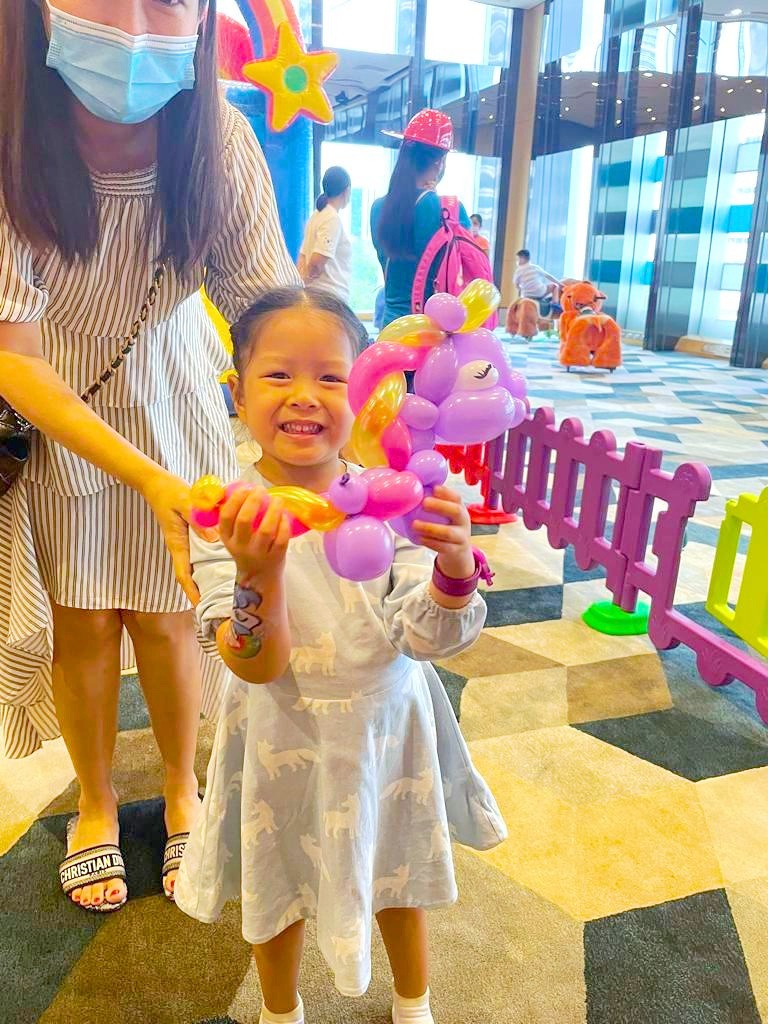
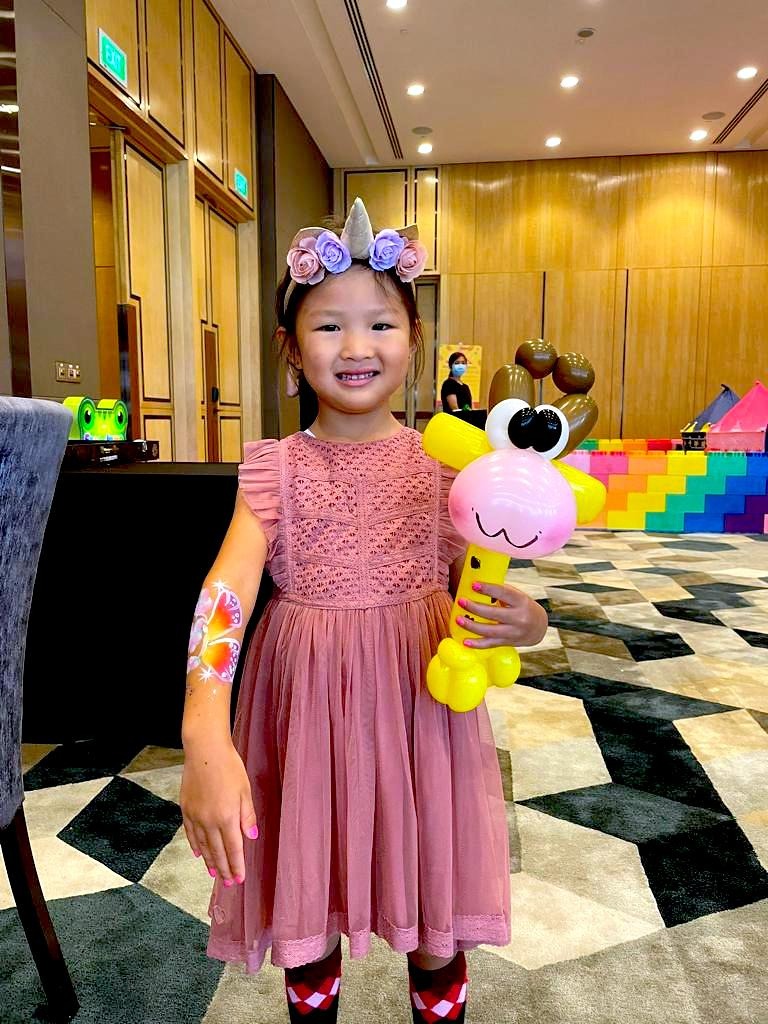
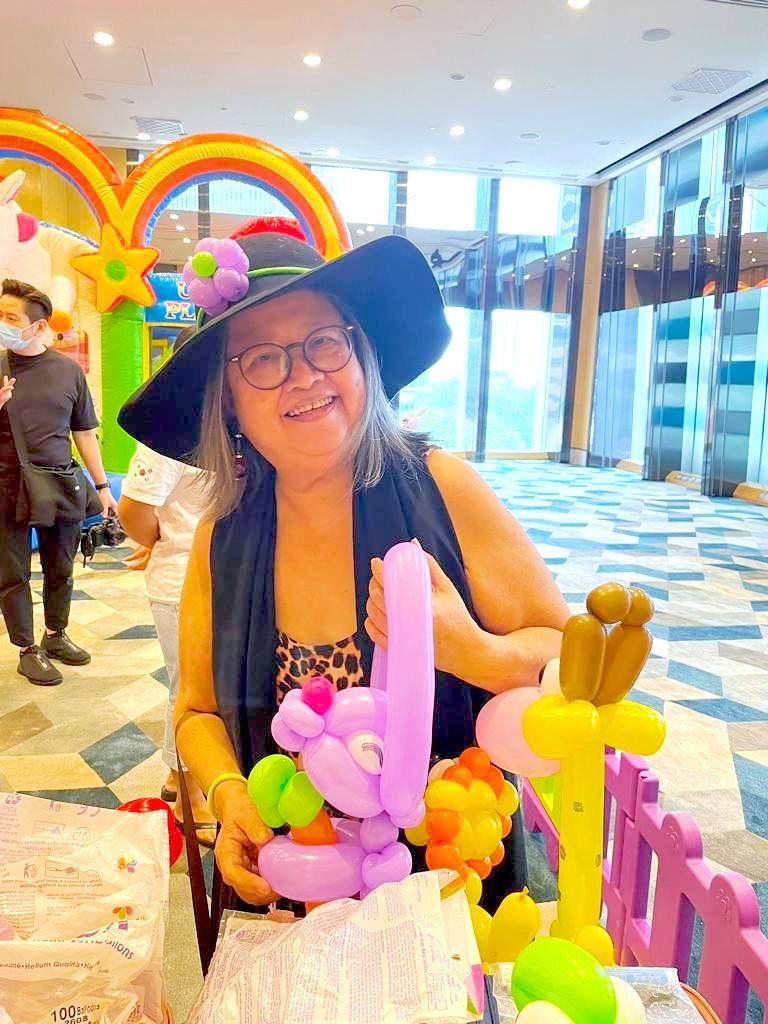
For balloon-based entertainment, review Big Top’s balloon sculpting service. You can also see how live twisting is presented on Twist Concept’s balloon sculpting service page. Discuss the design selection, artist arrangement and service window as part of the booking rather than assuming every creation takes the same time.
Photo ideas for creative fringe activities
The first gallery row groups glitter tattoo designs together, showing mermaid, rose and bird examples. The second brings together balloon creations and a performer. Keeping these examples in clear groups helps you compare the experience and the result without mixing several unrelated services into one reference board.
Bring the activity brief together
Before requesting a proposal, gather the event date, venue, expected attendance, age range and programme timing. Add photographs or a floor plan of the proposed activity area. Explain which creative fringe activities are priorities and which are optional, then ask the team to recommend a practical arrangement within the available space and budget.
Finally, give each station a clear name and one short explanation of what guests can expect. Brief the event host on opening times, design choices and where completed participants should go next. Thoughtful placement and simple communication let the artistry remain the focus, while guests enjoy a personal experience that fits naturally into the rest of your event.


